 A Gupta Mortgage
Investment Property Mortgage Hamilton 2026: Rates, DSCR & Strategy
Unlock Hamilton's investment potential in 2026 with expert mortgage strategies. Learn about DSCR, rates, and financing options. Contact A Gupta Mortgage today for tailored advice!
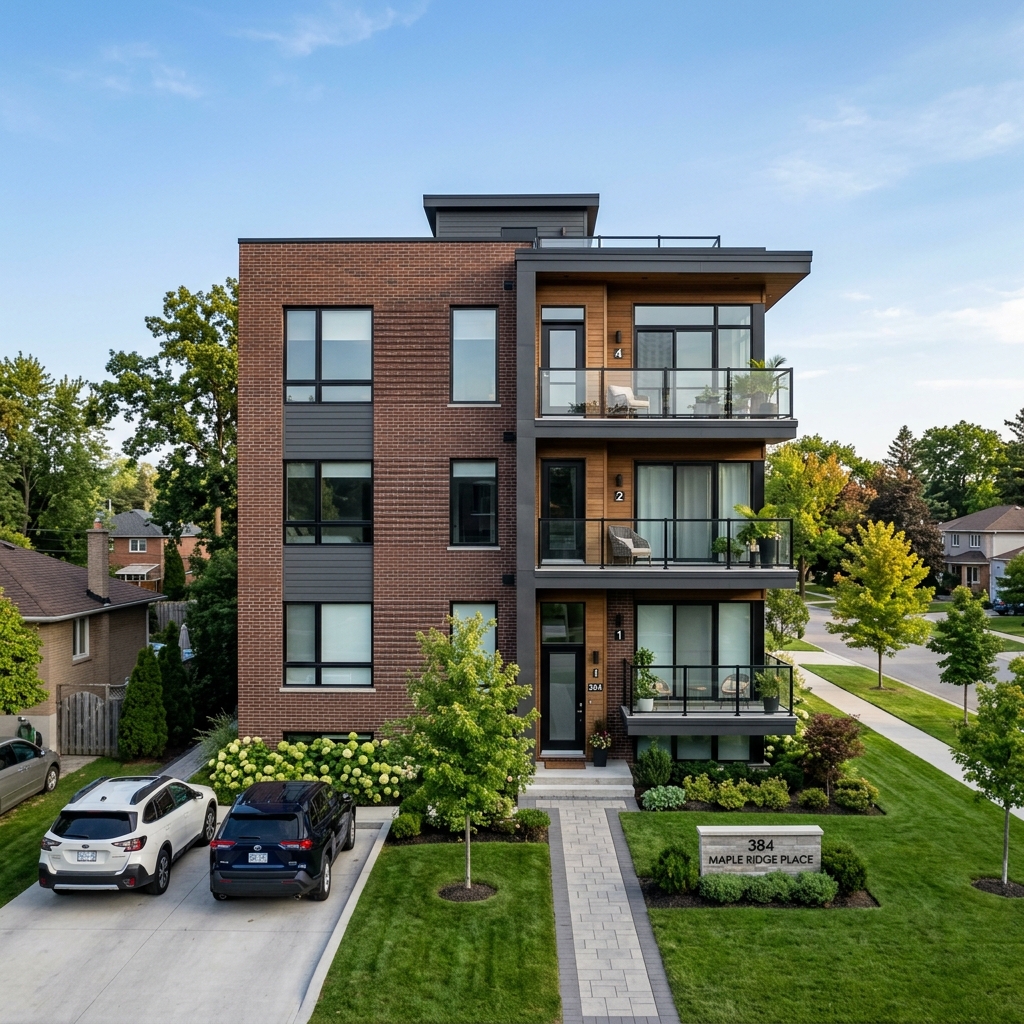
As a seasoned mortgage agent serving the dynamic Kitchener-Waterloo, Brampton, and Mississauga regions, I often witness the incredible growth potential within Ontario's real estate market. One city that consistently captures the attention of astute investors is Hamilton. Its unique blend of urban revitalization, a growing job market, and relative affordability compared to the Greater Toronto Area (GTA) positions it as a prime target for real estate investment in 2026 and beyond.
At A Gupta Mortgage, we understand that an investment property mortgage is vastly different from financing your primary residence. It demands a deeper dive into financial metrics like the Debt Service Coverage Ratio (DSCR), a keen eye on evolving interest rates, and a nuanced understanding of lender requirements. This isn't about generic advice you'd find on a broad platform like Ratehub or LowestRates; it's about a strategic, personalized consultation that can genuinely impact your portfolio's profitability.
Hamilton's Investment Landscape: A 2026 Outlook
Hamilton is no longer just a steel town; it's a rapidly transforming urban centre. For 2026, we anticipate continued growth, driven by:
- Population Influx: As the GTA becomes increasingly unaffordable, Hamilton continues to attract new residents, particularly young professionals and families seeking better value. This fuels demand for rental housing across various segments.
- Infrastructure Development: The Hamilton LRT project, set to bring light rail transit across the city, is a significant game-changer. Historically, transit infrastructure boosts property values and rental demand along its corridor. Areas like Corktown, Kirkendall, and Beasley, close to the downtown core and future transit lines, are particularly attractive.
- Economic Diversification: Beyond its industrial roots, Hamilton's economy is diversifying into healthcare, education (McMaster University, Mohawk College), and tech, creating stable employment and a robust tenant pool.
- Rental Market Strength: According to local real estate board data (e.g., RAHB/HPAR), vacancy rates remain low, typically under 2%, pushing average rents higher. A two-bedroom apartment in a desirable Hamilton neighbourhood can command anywhere from $1,900 to $2,500 per month, depending on location and amenities.
💡 Expert Tip: When evaluating a Hamilton investment property, don't just look at the purchase price. Conduct thorough due diligence on local rental comparables, projected vacancy rates for the specific neighbourhood, and future infrastructure plans. A property near a planned LRT station or a major university campus often offers superior long-term appreciation and rental stability.
Understanding Investment Property Mortgage Rates for 2026
Mortgage rates are a cornerstone of any investment property analysis. While no one can predict 2026 with absolute certainty, we can make informed projections based on current economic indicators and Bank of Canada (BoC) trajectories.
Factors Influencing 2026 Rates:
- Bank of Canada's Overnight Rate: This directly impacts variable mortgage rates and indirectly influences fixed rates. While we've seen significant hikes, market consensus suggests a potential for moderate rate adjustments throughout 2025-2026, though likely remaining elevated compared to pre-pandemic lows.
- Inflation & Economic Growth: Persistent inflation could lead the BoC to maintain higher rates. Conversely, a slowdown might prompt cuts.
- Global Economic Conditions: Geopolitical events and global economic shifts can sway bond yields, which in turn affect fixed mortgage rates in Canada.
For investment properties in 2026, borrowers should anticipate fixed rates potentially ranging from 4.50% to 6.50%, depending on the term, lender, and the property's risk profile. Variable rates will closely track the BoC's overnight rate, with adjustments reflecting economic data. This is a crucial distinction from the general 'mortgage rates Canada' you might find elsewhere; investment properties often carry slightly different risk premiums.
Variable vs. Fixed Rate Mortgage for Investment Properties:
The debate between variable vs fixed rate mortgage is even more critical for investors. A variable rate offers flexibility and potential savings if rates decline, but exposes you to payment increases. A fixed rate provides stability and predictability, essential for cash flow planning, though you might miss out on potential rate drops.
Why A Gupta Mortgage vs. Ratehub/LowestRates: While platforms like Ratehub and LowestRates offer a snapshot of current rates, they often provide generalized figures for primary residences. We provide a tailored analysis for investment properties, considering your specific financial situation, risk tolerance, and the unique characteristics of the Hamilton market. We connect you with lenders who specialize in investment financing, not just the big banks, ensuring you get the most competitive and suitable product.
The Crucial Role of DSCR (Debt Service Coverage Ratio)
When applying for an investment property mortgage, especially for multi-unit dwellings, the lender's primary focus shifts from your personal Debt-to-Income Ratio (DTI) to the property's ability to generate income. This is where the Debt Service Coverage Ratio (DSCR) becomes paramount.
What is DSCR?
DSCR measures the property's net operating income (NOI) against its annual debt obligations (principal, interest, property taxes, and insurance – often called PITI or P&I + T&I). A higher DSCR indicates less risk for the lender.
Formula: DSCR = Net Operating Income / Annual Debt Service
- Net Operating Income (NOI): Gross Rental Income - Operating Expenses (vacancy allowance, property management, repairs, insurance, property taxes). *Note: Mortgage payments are NOT included in NOI.*
- Annual Debt Service: Total annual principal and interest payments on the mortgage, plus property taxes and insurance.
Lender Requirements:
Most lenders for investment properties in Ontario require a DSCR between 1.15x and 1.25x. This means the property's NOI must cover its annual debt obligations by at least 15% to 25%. If your DSCR is below this threshold, securing financing will be challenging.
Strategies to Improve Your DSCR:
- Increase Down Payment: A larger down payment reduces the mortgage amount, lowering your annual debt service. For example, increasing your down payment from 20% to 25% on a $600,000 property (reducing the mortgage by $30,000) could improve your DSCR significantly.
- Reduce Operating Expenses: Optimize property management fees, find more competitive insurance rates, or perform preventative maintenance to reduce repair costs.
- Increase Rental Income: Explore opportunities to increase rent (e.g., through minor renovations, adding amenities, or ensuring rent is at market value).
Unlike generic advice on DTI, which is primarily for owner-occupied homes, understanding and optimizing your DSCR is the key differentiator for successful investment property financing. This is the kind of specific, actionable insight you won't always find on aggregator sites.
Down Payment Requirements & CMHC for Investment Properties
The down payment rules for investment properties differ significantly from those for a primary residence, where 'first time home buyer Ontario 2026' programs might allow as little as 5% down.
- Minimum Down Payment: For conventional investment properties (1-4 units, non-owner occupied), a minimum of 20% down payment is typically required. For properties with 5+ units, this often jumps to 35% or more.
- CMHC Insurance: Unlike owner-occupied homes, CMHC insurance (or insurance from Genworth/Canada Guaranty) is generally not available for non-owner occupied investment properties with less than 20% down. If you're purchasing a duplex, triplex, or fourplex and intend to occupy one unit, you might qualify for insured financing with a lower down payment (e.g., 5-10%), but this changes the classification to an owner-occupied multi-unit dwelling, not a pure investment property. It's crucial to understand these distinctions to avoid disappointment.
Financing Options Beyond Traditional Mortgages
Securing an investment property mortgage is not a one-size-fits-all scenario. Your strategy should encompass various financing avenues, especially when traditional routes prove challenging.
Comparison Table: Investment Property Financing Options
| Feature | Traditional (A-Lender) | Alternative (B-Lender) | Private Mortgage | HELOC/Refinance |
|---|---|---|---|---|
| Lenders | Banks, Credit Unions | Trust Companies, Non-bank lenders | Individuals, Syndicates | Banks, Credit Unions |
| Rates | Lowest (e.g., 4.5% - 6.5%) | Moderate (e.g., 6.5% - 9%) | Highest (e.g., 9% - 15%+) | Competitive, often variable |
| Underwriting Focus | DSCR, Borrower credit, DTI | Property equity, DSCR, Borrower credit (more flexible) | Property equity, Exit strategy | Primary residence equity, Borrower credit |
| Down Payment | Min. 20% (1-4 units) | Min. 25-35% | Higher, often 35-50%+ | N/A (using existing equity) |
| Flexibility | Standardized | More flexible criteria | Highly flexible, custom terms | Very flexible access to funds |
| Use Case | Long-term hold, stable income | When A-lenders decline, bridging | Short-term, quick closing, development | Down payment for new property, renovations |
| Time to Close | 3-6 weeks | 2-4 weeks | 1-2 weeks | 2-4 weeks |
- Conventional Mortgages (A-Lenders): These are your major banks and credit unions. They offer the best rates but have stringent requirements regarding DSCR, credit scores, and borrower qualifications.
- Alternative (B-Lender) Mortgages: For investors who don't quite fit A-lender criteria (e.g., slightly lower credit score, unique property type, or specific income scenarios), B-lenders (like trust companies) can be a lifeline. While rates are higher, their underwriting is more flexible, focusing more on the property's equity and income potential.
- Private Mortgages: These are short-term, interest-only loans from private individuals or syndicates. They come with significantly higher rates (often 9% to 15%+) and fees but offer unparalleled speed and flexibility. They are typically used for bridging finance, quick closings, or for properties that require significant renovations before they can qualify for traditional financing.
- Home Equity Line of Credit (HELOC) or Refinancing: Many savvy investors use the equity in their primary residence or existing investment properties through a home equity line of credit or by refinancing their mortgage Ontario to pull out funds for a down payment on a new Hamilton property. This can be a cost-effective way to leverage existing assets.
💡 Expert Tip: Don't overlook the power of a strategic refinance mortgage Ontario on your existing portfolio. By unlocking equity, you can fund a down payment for your next Hamilton investment without depleting your cash reserves. This allows you to scale your portfolio faster and more efficiently. Remember, a HELOC can often be more flexible than a second mortgage if you need ongoing access to funds.
Navigating the Mortgage Stress Test for Investment Properties
The OSFI B-20 Guideline, commonly known as the mortgage stress test Canada, applies to both insured and uninsured mortgages, including those for investment properties. This means even if you have a 20%+ down payment, you'll still need to qualify at a higher 'benchmark' rate.
For an uninsured mortgage, you must qualify at either the Bank of Canada's 5-year benchmark posted rate or your contract rate plus 2%, whichever is higher. This qualifying rate is typically around 7.00% to 8.00%, even if your actual contract rate is lower.
Impact on Investment Properties: The stress test significantly impacts your borrowing capacity. For investment properties, lenders will also 'discount' a portion of your projected rental income (often by 50-80%) when calculating your qualifying income. This is a conservative measure to account for potential vacancies and operating expenses.
For example, if your Hamilton property generates $2,400/month in rent, a lender might only recognize $1,200 - $1,920 of that income towards your qualification, making it harder to meet the stress test requirements at the higher qualifying rate. This is where a Level 2 Mortgage Agent provides invaluable guidance, strategizing how to optimize your application to meet these stringent rules.
The A Gupta Mortgage Advantage: Why Local Expertise Matters
You have access to a wealth of information online – from 'mortgage pre-approval' guides on NerdWallet Canada to general rate comparisons on WOWA. But for a significant investment like a Hamilton property, you need more than just information; you need a strategic partner.
Why Choose A Gupta Mortgage Over Competitors?
- Hyper-Local Market Insights: Unlike national platforms, we live and breathe the Ontario market, particularly in KW, Brampton, Mississauga, and Hamilton. We understand the nuances of specific neighbourhoods, rental trends, and local lender appetites – insights that can save you thousands.
- Beyond Basic Rates: While 'mortgage rates Canada' are important, we focus on the total cost of ownership and your investment's profitability. We consider DSCR implications, potential for future refinancing, and how your investment property fits into your broader financial plan.
- Access to Diverse Lenders: As a Level 2 Mortgage Agent regulated by FSRA, I have access to a vast network of A, B, and private lenders. This means we can secure financing for complex scenarios that a single bank or a generic online broker might miss. We don't just find *a* mortgage; we find the *right* mortgage for your investment goals.
- Personalized, Strategic Advice: We don't just process applications. We provide a consultative approach, analyzing your portfolio, risk tolerance, and long-term objectives. Whether it's optimizing your down payment assistance Ontario strategies (if applicable for owner-occupied portions) or leveraging a home equity line of credit, our advice is always tailored.
- Navigating Complexities: From understanding CMHC insurance specificities for multi-unit dwellings to structuring private mortgages for short-term gains, we guide you through every regulatory and financial complexity with precision.
Don't let a generic online tool dictate your Hamilton investment future. The stakes are too high, and the opportunities are too valuable.
Frequently Asked Questions About Investment Property Mortgages in Hamilton
- What is the minimum down payment for an investment property in Hamilton?
- For non-owner occupied investment properties (1-4 units), a minimum of 20% down payment is generally required by lenders in Canada. For larger properties (5+ units), the requirement often increases to 35% or more.
- How does DSCR impact my ability to get an investment property mortgage?
- DSCR (Debt Service Coverage Ratio) is critical. Lenders typically require a DSCR between 1.15x to 1.25x, meaning your property's net operating income must cover its debt obligations by 15-25%. A low DSCR can lead to loan denial or require a larger down payment.
- Can I use CMHC insurance for an investment property mortgage in Hamilton?
- Generally, no, CMHC insurance is not available for non-owner occupied investment properties with less than 20% down payment. It is primarily for owner-occupied homes or specific purpose-built rental projects. If you plan to live in one unit of a duplex/triplex, you might qualify for insured financing.
- Should I choose a fixed or variable rate for my Hamilton investment property mortgage in 2026?
- The choice between a variable vs fixed rate mortgage depends on your risk tolerance and market outlook. Fixed rates offer payment stability, which is excellent for cash flow planning. Variable rates offer potential savings if interest rates decline, but expose you to payment increases. We can help analyze your specific scenario for an informed decision.
- How does the mortgage stress test apply to investment properties in Canada?
- The stress test applies to all insured and uninsured mortgages, including investment properties. You must qualify at a higher rate (BoC 5-year benchmark or contract rate + 2%, whichever is greater). Lenders also typically discount a portion of your rental income (e.g., 50-80%) when calculating your affordability, significantly impacting borrowing capacity.
- Why should I work with a mortgage agent for my Hamilton investment property?
- A mortgage agent, especially a Level 2 agent like Anil Gupta, offers access to a wider range of lenders (A, B, and private), hyper-local market knowledge for Hamilton, and strategic advice on complex metrics like DSCR and stress test nuances. This personalized service goes far beyond generic online rate comparisons, optimizing your financing for profitability and long-term growth.
Your Action Checklist: Navigating Hamilton Investment in 2026
Ready to make your move into the Hamilton investment property market? Here’s what you can do this week:
- Review Your Financials: Consolidate your income statements, tax returns, and current debt obligations. Understand your personal Debt-to-Income Ratio (DTI) and liquid assets for a down payment.
- Research Hamilton Neighbourhoods: Identify 2-3 target neighbourhoods in Hamilton (e.g., Kirkendall, Stoney Creek, Central Hamilton) that align with your investment goals (student rentals, family homes, etc.). Look for rental comparables.
- Estimate Property DSCR: For a potential property, calculate its estimated Debt Service Coverage Ratio (DSCR) using projected rental income and anticipated expenses (taxes, insurance, maintenance). Aim for 1.15x - 1.25x.
- Check Your Credit Score: Obtain a recent credit report to ensure there are no surprises. A strong credit score (e.g., 680+) is crucial for optimal investment property mortgage rates.
- Contact A Gupta Mortgage: This is the most critical step. Reach out to us for a personalized, no-obligation consultation. We'll discuss your specific goals, assess your eligibility, and outline a tailored strategy for securing an investment property mortgage in Hamilton for 2026.
Investing in Hamilton's burgeoning real estate market in 2026 presents a compelling opportunity, but it demands expert guidance. Don't leave your significant investment to chance or generic online advice. At A Gupta Mortgage, we are committed to providing the strategic insights and comprehensive support you need to succeed.
Ready to explore your Hamilton investment potential? Contact A Gupta Mortgage today for a personalized consultation. Let's build your wealth, one smart investment at a time.
Frequently Asked Questions
What is the minimum down payment for an investment property in Hamilton?
For non-owner occupied investment properties (1-4 units), a minimum of <strong>20% down payment</strong> is generally required by lenders in Canada. For larger properties (5+ units), the requirement often increases to 35% or more.
How does DSCR impact my ability to get an investment property mortgage?
DSCR (Debt Service Coverage Ratio) is critical. Lenders typically require a DSCR between <strong>1.15x to 1.25x</strong>, meaning your property's net operating income must cover its debt obligations by 15-25%. A low DSCR can lead to loan denial or require a larger down payment.
Can I use CMHC insurance for an investment property mortgage in Hamilton?
Generally, <strong>no</strong>, CMHC insurance is not available for non-owner occupied investment properties with less than 20% down payment. It is primarily for owner-occupied homes or specific purpose-built rental projects. If you plan to live in one unit of a duplex/triplex, you might qualify for insured financing.
Should I choose a fixed or variable rate for my Hamilton investment property mortgage in 2026?
The choice between a variable vs fixed rate mortgage depends on your risk tolerance and market outlook. Fixed rates offer payment stability, which is excellent for cash flow planning. Variable rates offer potential savings if interest rates decline, but expose you to payment increases. We can help analyze your specific scenario for an informed decision.
How does the mortgage stress test apply to investment properties in Canada?
The stress test applies to all insured and uninsured mortgages, including investment properties. You must qualify at a higher rate (BoC 5-year benchmark or contract rate + 2%, whichever is greater). Lenders also typically discount a portion of your rental income (e.g., 50-80%) when calculating your affordability, significantly impacting borrowing capacity.
Why should I work with a mortgage agent for my Hamilton investment property?
A mortgage agent, especially a Level 2 agent like Anil Gupta, offers access to a wider range of lenders (A, B, and private), hyper-local market knowledge for Hamilton, and strategic advice on complex metrics like DSCR and stress test nuances. This personalized service goes far beyond generic online rate comparisons, optimizing your financing for profitability and long-term growth.
Found this helpful? Share it with your network.