 A Gupta Mortgage
How Much Down Payment for a House in Ontario? 2024 Guide
Unlock Ontario homeownership: Learn the minimum down payment, CMHC rules, and strategies for first-time buyers in KW, Brampton, & Mississauga. Contact A Gupta Mortgage today!
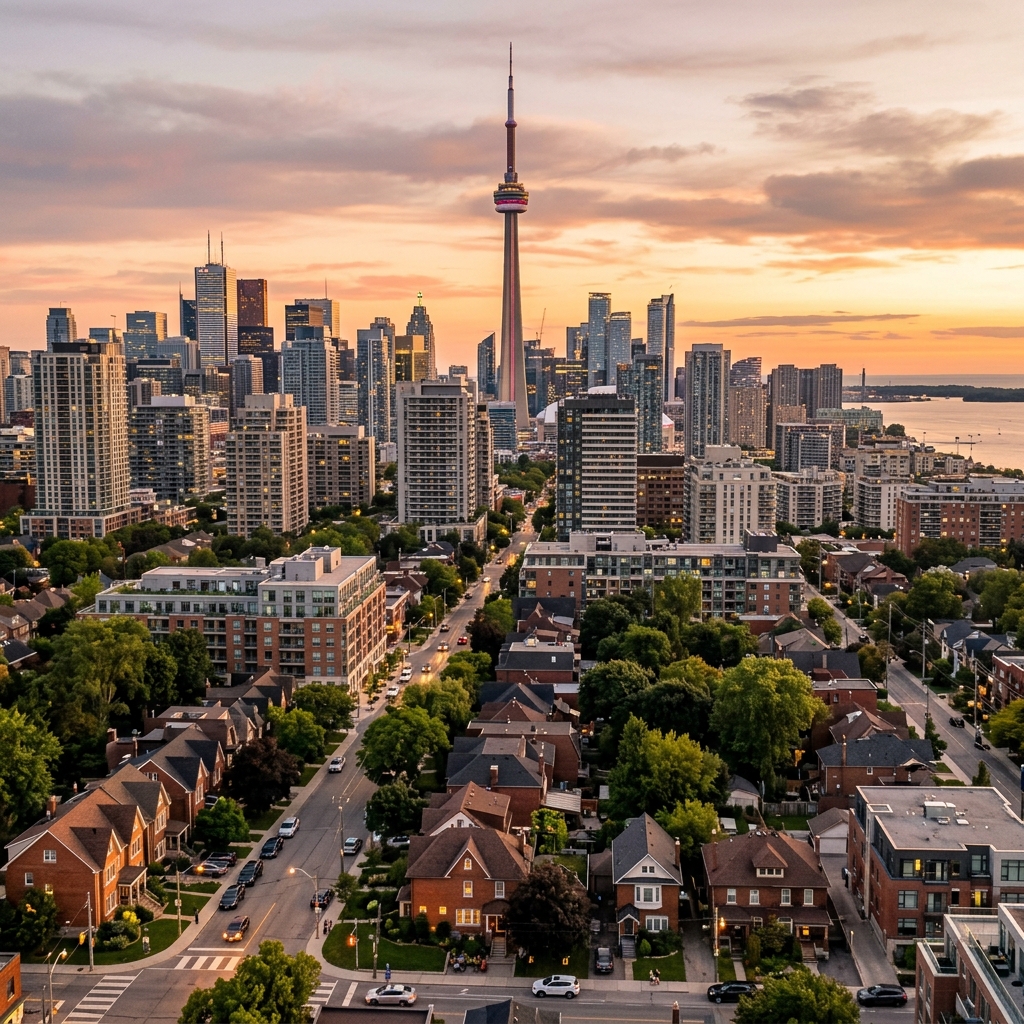
Embarking on the journey to homeownership in Ontario is an exciting, yet often complex, endeavour. One of the most critical questions on every prospective buyer's mind is: how much down payment do you need to buy a house in Ontario? As a trusted Level 2 Mortgage Agent serving Kitchener-Waterloo, Brampton, and Mississauga, I, Anil Gupta, understand that this isn't just a simple calculation; it's a foundational decision that impacts your mortgage affordability, long-term financial health, and access to crucial programs. Unlike generic online calculators from sites like Ratehub or WOWA, my guidance is tailored, data-backed, and focused on *your* specific situation in the dynamic Ontario market.
This comprehensive guide will break down the down payment requirements, explore strategic options, highlight key assistance programmes, and reveal the hidden costs often overlooked. My goal is to equip you with the knowledge to make an informed decision, ensuring your path to homeownership is as smooth and financially sound as possible. Let's dive in.
Understanding the Minimum Down Payment Requirements in Ontario
The Canada Mortgage and Housing Corporation (CMHC), along with other mortgage default insurers like Sagen (formerly Genworth Canada) and Canada Guaranty, sets the national standards for minimum down payments. These rules are consistent across Canada, including Ontario, and are primarily based on the property's purchase price:
- For homes under $500,000: The minimum down payment is 5% of the purchase price.
- For homes between $500,000 and $999,999: The minimum down payment is 5% on the first $500,000, and 10% on any amount exceeding $500,000.
- For homes $1,000,000 or more: A minimum down payment of 20% is required.
It's crucial to understand that if your down payment is less than 20% of the home's purchase price, your mortgage is considered 'high-ratio' and must be insured against default. This is where CMHC insurance (or similar private mortgage default insurance) comes into play. The premium for this insurance is added to your mortgage principal, increasing your overall loan amount and monthly payments. While essential for enabling lower down payments, it's an additional cost worth considering.
💡 Expert Tip: Don't just focus on the minimum. While 5% might seem attractive, a larger down payment can significantly reduce your CMHC insurance premium and your monthly mortgage payments. For instance, increasing your down payment from 5% to 10% on a $700,000 home in Brampton could reduce your CMHC premium by over $6,000! I can run these specific calculations for your unique scenario.
Real-World Examples for Ontario Home Buyers
Let's illustrate these rules with common home prices in regions like Kitchener-Waterloo, Mississauga, and the broader GTA:
- $450,000 Home (e.g., Condo in Kitchener): Minimum 5% down = $22,500.
- $750,000 Home (e.g., Townhome in Waterloo/Brampton):
- 5% on the first $500,000 = $25,000
- 10% on the remaining $250,000 ($750k - $500k) = $25,000
- Total Minimum Down Payment = $50,000.
- $1,200,000 Home (e.g., Detached house in Mississauga/GTA): Minimum 20% down = $240,000.
As you can see, the higher the purchase price, the more substantial the down payment required. This is a significant factor in the competitive housing markets of the GTA and surrounding areas.
The Advantage of a 20% Down Payment: Avoiding CMHC Insurance
While a 5% or 10% down payment makes homeownership accessible to many, saving 20% or more offers considerable financial advantages. A down payment of 20% or more is considered a 'conventional mortgage' and is not subject to mortgage default insurance (CMHC, Sagen, or Canada Guaranty).
Here’s why a 20% down payment is often favoured:
- No Mortgage Default Insurance Premiums: This is the most significant benefit. CMHC premiums can range from 2.8% to 4% of your mortgage amount. On a $600,000 mortgage, a 4% premium adds $24,000 to your loan, resulting in higher interest costs over the life of the mortgage. Avoiding this saves you tens of thousands of dollars.
- Lower Monthly Mortgage Payments: With a larger down payment, your principal loan amount is smaller, directly translating to lower monthly payments. This improves your monthly cash flow and reduces your overall interest paid.
- Access to Better Interest Rates: Lenders often offer slightly more competitive interest rates for conventional mortgages (20%+ down) because the lower loan-to-value (LTV) ratio represents less risk to them. While sites like LowestRates or Canadian Mortgage Trends show general rates, I can access specific lender products that reward higher equity.
- Increased Borrowing Power: Your debt-to-income ratio improves with a larger down payment, potentially allowing you to qualify for a larger mortgage amount or simply providing more financial flexibility during the mortgage stress test.
However, saving 20% on a home in the GTA, where average prices can exceed $1 million, means accumulating over $200,000. This is a substantial sum and not always feasible for every buyer, especially first-time home buyers in Ontario.
Strategic Down Payment Assistance Programs for Ontario Buyers
For those struggling to reach the 20% threshold, or even the minimum, several federal programmes can significantly assist. These are crucial tools that I help clients leverage:
1. The First Home Savings Account (FHSA)
Launched in 2023, the FHSA is a game-changer for first-time home buyers. It combines the benefits of an RRSP and a TFSA:
- Tax-Deductible Contributions: Like an RRSP, your contributions are tax-deductible, reducing your taxable income in the year you contribute.
- Tax-Free Withdrawals: Like a TFSA, withdrawals for a qualifying first home purchase are completely tax-free.
- Contribution Limits: You can contribute up to $8,000 per year, with a lifetime maximum of $40,000. Unused contribution room carries forward.
How it helps: For an individual saving diligently, the FHSA can accumulate a significant, tax-advantaged down payment over 5 years. For a couple, this could mean up to $80,000 tax-free for their down payment. This programme is a critical component for anyone planning to buy a home in Ontario by 2026 or beyond.
2. The Home Buyers' Plan (HBP)
The HBP allows first-time home buyers to withdraw up to $35,000 from their Registered Retirement Savings Plans (RRSPs) tax-free to put towards a down payment. If you're buying with a partner who is also a first-time buyer, you can each withdraw $35,000, for a combined total of $70,000.
- Repayment: The withdrawn funds must be repaid to your RRSP over a maximum of 15 years, starting in the second year after the withdrawal.
How it helps: The HBP allows you to tap into your retirement savings without immediate tax implications, providing a substantial boost to your down payment fund. However, remember the repayment obligation, as it adds to your future financial commitments.
3. Ontario-Specific Down Payment Assistance Programs (Limited)
While some provinces offer broad provincial down payment assistance, Ontario's support is primarily through federal initiatives and specific municipal programs. For instance, the City of Toronto offers a Home Ownership Assistance Program (HOAP) for low-to-moderate income first-time buyers, providing a repayable loan that covers a portion of the down payment. Such programs are highly localized, have strict eligibility criteria, and often have limited funding. It's essential to check with your specific municipality in the Peel Region, GTA, or Kitchener-Waterloo if they offer any targeted programs.
💡 Expert Tip: Combine the FHSA and HBP! You can utilize both the FHSA and HBP for the same home purchase, potentially accessing up to $75,000 per person from these tax-advantaged accounts. This dual strategy can significantly boost your down payment, particularly beneficial for homes in the $700,000-$900,000 range common in KW and Brampton. I can help you structure this for maximum benefit.
Beyond the Down Payment: Don't Forget Closing Costs!
A common pitfall for new home buyers is focusing solely on the down payment and overlooking the substantial closing costs. These are additional expenses due on or before your closing date, typically ranging from 1.5% to 4% of the purchase price. Failing to budget for these can derail your home purchase. Key closing costs in Ontario include:
- Land Transfer Tax (LTT): Ontario has a provincial LTT. For properties in Toronto, there's an additional municipal LTT. First-time buyers are eligible for rebates: up to $4,000 for the provincial LTT and up to $4,475 for the Toronto LTT. Even with rebates, LTT can be thousands of dollars.
- Legal Fees: Expect to pay $1,500 - $3,000+ for a lawyer to handle the transaction.
- Appraisal Fee: Often $300 - $500, ensures the property value supports the mortgage.
- Home Inspection: Highly recommended, typically $400 - $800, to identify potential issues.
- Title Insurance: Protects against defects in title, usually $200 - $400.
- Adjustments: Property taxes, utility bills, condo fees paid by the seller in advance will be prorated and reimbursed by you.
When I work with clients, we build a comprehensive budget that includes these costs, ensuring no surprises on closing day. This proactive approach sets A Gupta Mortgage apart from platforms that only provide mortgage rate comparisons.
Navigating Pre-Approval and the Mortgage Stress Test
Before you even start house hunting, obtaining a mortgage pre-approval is paramount. This process, which I guide clients through, determines how much a lender is willing to lend you. It considers your income, credit score, existing debts (impacting your debt-to-income ratio), and the down payment you have available.
A critical component of pre-approval is the mortgage stress test, mandated by the Office of the Superintendent of Financial Institutions (OSFI) and applicable to all federally regulated lenders. You must qualify at the greater of your contract rate plus 2% or 5.25% (the Bank of Canada's benchmark qualifying rate, though this rate can change). This stress test significantly impacts your maximum borrowing capacity and, by extension, how much down payment you might need to make your desired home purchase feasible.
While online tools can offer a rough estimate, a Level 2 Mortgage Agent like myself provides a precise pre-approval, leveraging relationships with over 50 lenders, including banks and credit unions. This ensures you receive the most accurate picture of your affordability, which generic platforms like NerdWallet Canada cannot provide.
A Gupta Mortgage vs. Online Competitors: Why Local Expertise Matters
You'll find countless articles and calculators on sites like Ratehub, WOWA, LowestRates, and Canadian Mortgage Trends discussing down payments and mortgage rates. While these platforms serve a purpose in providing general information, they often fall short when it comes to the nuanced, personalized advice essential for the Ontario housing market.
Here's why working with A Gupta Mortgage offers superior value:
| Feature | A Gupta Mortgage (Level 2 Agent) | Online Rate Comparison Sites (e.g., Ratehub, WOWA) |
|---|---|---|
| Personalized Strategy | Deep dive into your unique financial situation, career goals, and family plans to craft an optimal down payment and mortgage strategy. Considers future needs like refinancing or accessing home equity line of credit. | Provides generic minimums and rate comparisons based on standard inputs. Lacks the ability to tailor advice for complex scenarios (e.g., self-employment, unique debt structures). |
| Access to Lenders & Rates | Access to over 50 lenders (banks, credit unions, monoline lenders), including exclusive rates not advertised publicly. Anil negotiates on your behalf to secure the best possible terms. | Shows a selection of publicly available rates. You often have to contact lenders yourself, losing the benefit of a broker's network and negotiation power. |
| Ontario Market Expertise | Specialized knowledge of Kitchener-Waterloo, Brampton, Mississauga, and GTA housing trends, local closing costs (e.g., Toronto LTT), and specific provincial programs. | Offers broad Canadian market insights but may lack granular detail for specific Ontario regions or municipal incentives. |
| Holistic Financial Planning | Integrates your down payment strategy with broader financial goals, including retirement planning (RRSP HBP), tax benefits (FHSA), and long-term wealth building. | Primarily transactional; focuses on the immediate mortgage application without comprehensive financial integration. |
| Risk Mitigation | Proactively identifies potential challenges in your application, guides you on credit improvement, and ensures compliance with CMHC and FSRA regulations, reducing application delays or rejections. | Limited ability to assess and mitigate individual application risks; often leads to frustration when initial online estimates don't match real-world qualification. |
My commitment is to provide you with a $500/hour consultation experience, ensuring every aspect of your down payment and mortgage strategy is optimized for your success.
💡 Expert Tip: Don't overlook the power of gifts! A gift from an immediate family member (parent, grandparent, sibling) can be used for your down payment. Lenders require a gift letter confirming the funds are not a loan and will not be repaid. This can be a significant boost for many first-time buyers in the competitive Ontario market. Always discuss this with your mortgage agent to ensure proper documentation.
Frequently Asked Questions About Down Payments in Ontario
What is the absolute minimum down payment to buy a house in Ontario?
The absolute minimum down payment is 5% for homes under $500,000. For homes between $500,000 and $999,999, it's 5% on the first $500,000 and 10% on the portion above $500,000. Homes priced at $1,000,000 or more require a mandatory 20% down payment.
How does CMHC insurance affect my down payment strategy?
If your down payment is less than 20%, your mortgage must be insured by CMHC (or another approved insurer). The premium, typically 2.8% to 4% of the mortgage amount, is added to your loan, increasing your overall debt and monthly payments. A larger down payment reduces this premium or eliminates it entirely at 20%.
Can I use my RRSP for a down payment in Ontario?
Yes, as a first-time home buyer, you can use the Home Buyers' Plan (HBP) to withdraw up to $35,000 from your RRSP tax-free for your down payment. These funds must be repaid to your RRSP over a maximum of 15 years, starting in the second calendar year after withdrawal.
What is the First Home Savings Account (FHSA) and how does it help with down payments?
The FHSA is a new federal registered plan (since 2023) allowing first-time buyers to save up to $40,000 tax-free for a down payment. Contributions are tax-deductible, and qualifying withdrawals for a home purchase are tax-free. You can contribute up to $8,000 annually, making it a powerful tool for building a substantial down payment over time.
Should I aim for a 20% down payment even if I can't reach it quickly?
While a 20% down payment eliminates CMHC insurance and often secures better rates, it's not always realistic. If waiting longer means missing out on market appreciation in competitive regions like the GTA or Kitchener-Waterloo, it might be better to enter the market with a smaller down payment. A Level 2 agent like Anil Gupta can help you weigh these trade-offs.
Are there specific down payment assistance programs for Peel Region or Mississauga?
Beyond federal programs like the FHSA and HBP, specific municipal down payment assistance programs are rare and highly localized. While the City of Toronto has one, it's best to consult with me directly to see if any targeted programs exist for your specific municipality within the Peel Region (Brampton, Mississauga, Caledon) or the Waterloo Region.
Your Action Checklist: Prepare Your Down Payment This Week
Ready to turn your homeownership dreams into reality in Ontario? Here's what you can do this week:
- Review Your Savings: Consolidate all potential down payment funds – savings accounts, TFSAs, investment accounts, and consider any gifts from family.
- Explore FHSA & HBP: If you're a first-time buyer, investigate opening an FHSA and understand the potential of withdrawing from your RRSP (HBP).
- Estimate Closing Costs: Beyond your down payment, budget for 1.5% to 4% of the purchase price for closing costs like Land Transfer Tax and legal fees.
- Check Your Credit Score: A strong credit score (typically 680+) is crucial for mortgage qualification. Obtain a free credit report from Equifax or TransUnion.
- Gather Financial Documents: Prepare income verification (pay stubs, T4s, NOAs), bank statements, and any debt statements.
- Contact A Gupta Mortgage: This is the most crucial step. Reach out to me, Anil Gupta, for a personalized, no-obligation consultation. We'll discuss your unique situation, optimize your down payment strategy, secure a precise pre-approval, and navigate the entire process together.
Don't let the complexity of down payment rules and market dynamics deter you. With the right expert guidance, homeownership in Kitchener-Waterloo, Brampton, or Mississauga is well within reach. Contact A Gupta Mortgage today at aguptamortgage.com or call me directly. Let's build your future, together.
Frequently Asked Questions
What is the absolute minimum down payment to buy a house in Ontario?
The absolute minimum down payment is 5% for homes under $500,000. For homes between $500,000 and $999,999, it's 5% on the first $500,000 and 10% on the portion above $500,000. Homes priced at $1,000,000 or more require a mandatory 20% down payment.
How does CMHC insurance affect my down payment strategy?
If your down payment is less than 20%, your mortgage must be insured by CMHC (or another approved insurer). The premium, typically 2.8% to 4% of the mortgage amount, is added to your loan, increasing your overall debt and monthly payments. A larger down payment reduces this premium or eliminates it entirely at 20%.
Can I use my RRSP for a down payment in Ontario?
Yes, as a first-time home buyer, you can use the Home Buyers' Plan (HBP) to withdraw up to $35,000 from your RRSP tax-free for your down payment. These funds must be repaid to your RRSP over a maximum of 15 years, starting in the second calendar year after withdrawal.
What is the First Home Savings Account (FHSA) and how does it help with down payments?
The FHSA is a new federal registered plan (since 2023) allowing first-time buyers to save up to $40,000 tax-free for a down payment. Contributions are tax-deductible, and qualifying withdrawals for a home purchase are tax-free. You can contribute up to $8,000 annually, making it a powerful tool for building a substantial down payment over time.
Should I aim for a 20% down payment even if I can't reach it quickly?
While a 20% down payment eliminates CMHC insurance and often secures better rates, it's not always realistic. If waiting longer means missing out on market appreciation in competitive regions like the GTA or Kitchener-Waterloo, it might be better to enter the market with a smaller down payment. A Level 2 agent like Anil Gupta can help you weigh these trade-offs.
Are there specific down payment assistance programs for Peel Region or Mississauga?
Beyond federal programs like the FHSA and HBP, specific municipal down payment assistance programs are rare and highly localized. While the City of Toronto has one, it's best to consult with me directly to see if any targeted programs exist for your specific municipality within the Peel Region (Brampton, Mississauga, Caledon) or the Waterloo Region.
Found this helpful? Share it with your network.